
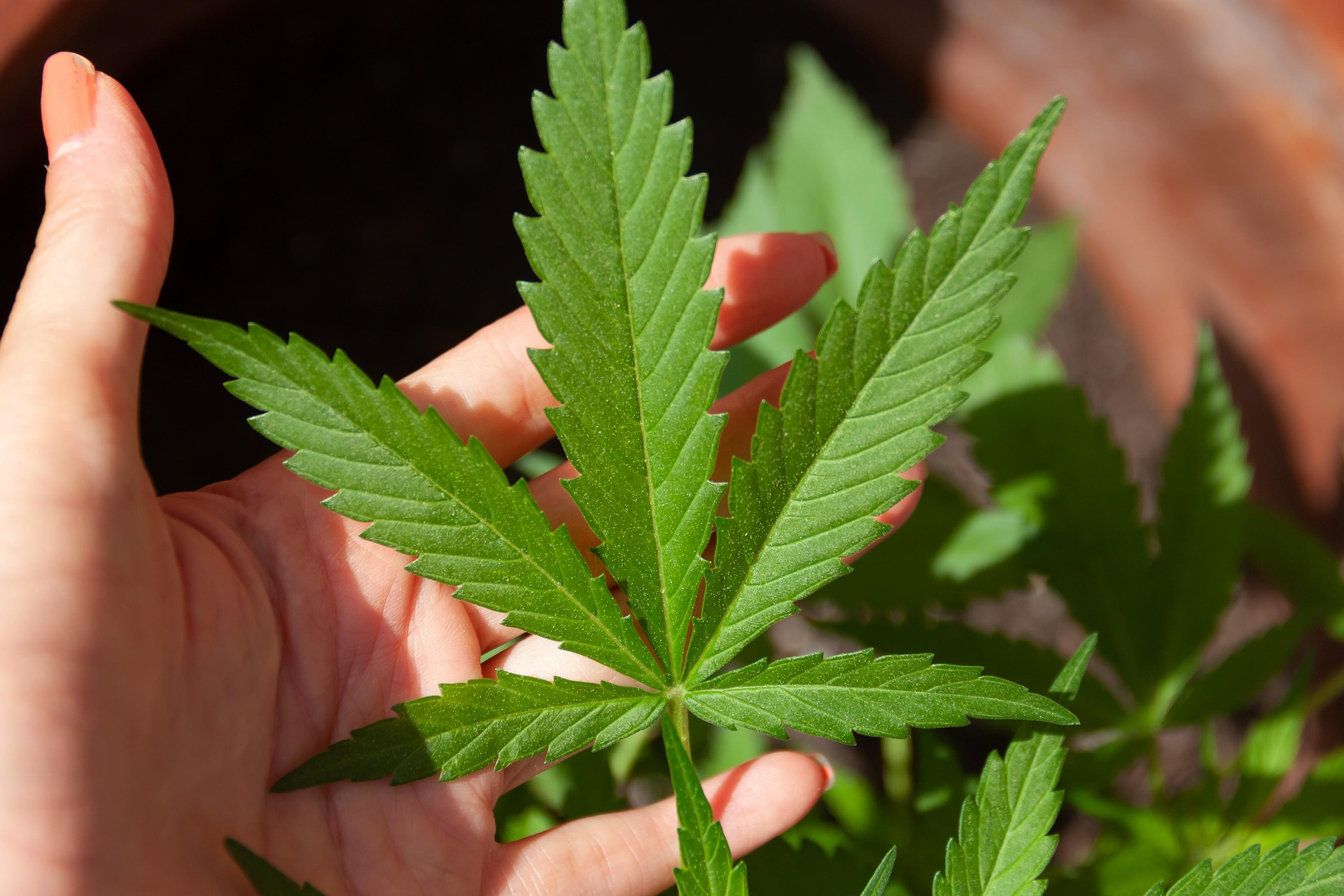
Medical cannabis continues to gain attention for its potential role in pain management and supportive healthcare treatment strategies. Researchers study how cannabinoids interact with the body’s endocannabinoid system, which helps regulate functions such as pain perception, inflammation, and mood. Patients seeking access through processes like Florida medical marijuana certification often explore cannabis-based options as part of broader pain management approaches under medical supervision. Different compounds, including THC and CBD, may influence the body in distinct ways depending on the condition and treatment plan. This article explores the science behind medical cannabis and how it relates to pain management and patient care.
The Endocannabinoid System and Pain Regulation

The human body contains a complex signaling network known as the endocannabinoid system. This system helps regulate functions such as mood, appetite, sleep, immune response, and pain perception. Cannabinoids from medical cannabis interact with receptors located throughout the brain, nervous system, and immune tissues. These interactions may influence how the body processes and interprets pain signals. Researchers believe this connection is one reason cannabis-based compounds are being explored for pain-related conditions. The relationship between cannabinoids and the endocannabinoid system remains a major focus of scientific investigation.
Inflammation and Nerve-Related Pain Responses
Pain can originate from different sources, including inflammation, tissue damage, or nerve-related dysfunction. Some studies suggest that cannabinoids may influence inflammatory responses by interacting with immune signaling pathways. Other research explores how cannabis compounds affect nerve signaling involved in chronic pain perception. Because pain mechanisms vary between conditions, the effects of medical cannabis may also differ depending on the underlying cause of discomfort. This complexity is one reason why scientific research continues to examine how cannabis interacts with different types of pain pathways.
Variability in Individual Response

Not all individuals respond to medical cannabis in the same way. Biological differences, metabolism, dosage, and cannabinoid composition can all influence how effects are experienced. Some individuals may report changes in discomfort levels, relaxation, or sleep quality, while others may experience minimal effects or unwanted side effects. This variability makes standardized treatment approaches more challenging compared to some conventional medications. Researchers continue studying how different cannabinoid profiles and delivery methods affect individual responses in clinical settings.
The Importance of Ongoing Scientific Research
Medical cannabis research continues to expand as scientists investigate both potential benefits and limitations. Clinical studies examine issues such as dosing, long-term safety, interactions with other medications, and effectiveness for specific pain conditions. Because cannabis contains many active compounds, researchers are also exploring how combinations of cannabinoids may influence therapeutic outcomes differently. Regulatory differences between countries and regions have historically limited large-scale research, but scientific interest in the field continues to grow. Ongoing investigation is important for developing a clearer understanding of how cannabis-based therapies may fit into modern pain management approaches.
The science behind medical cannabis and pain management centers on how cannabinoids interact with the body’s endocannabinoid system and influence pain-related processes. Research suggests these compounds may affect inflammation, nerve signaling, and pain perception in complex ways. However, responses can vary significantly between individuals, making continued scientific study essential. Understanding the biological mechanisms involved highlights why medical cannabis remains an evolving area of research within modern pain management science.…

 The gut and brain are constantly communicating via a complex network of nerves, hormones, and biochemical signals. This system, called the gut-brain axis, explains why digestive issues can sometimes be linked to mood changes, stress, and even anxiety. A large portion of serotonin—a neurotransmitter that affects mood—is actually produced in the gut. When your digestive system is out of balance, it may influence how you feel mentally, making gut health a key player in emotional well-being.
 For newcomers, colon hydrotherapy can sound intimidating, but the reality is typically much more relaxed than expected. Sessions are conducted in private, with trained practitioners guiding the process. The sensation of water moving through the colon may feel unusual at first, but it’s generally not painful. Many people describe a sense of relief and even relaxation afterward, which may contribute to the perception of a clearer mind.